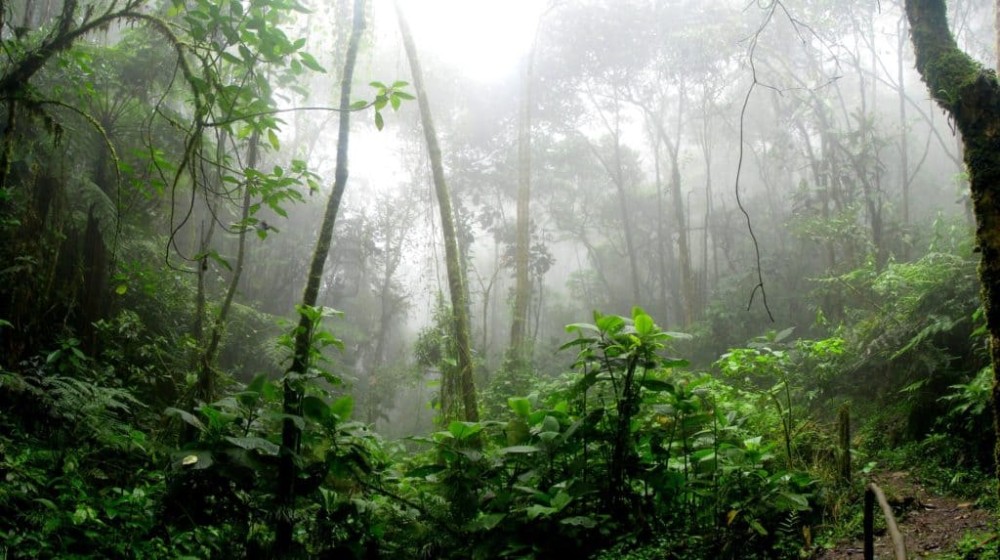
Exploring the Biodiversity Wonderland: Carara National Park in Costa Rica
Tucked just a couple of hours from San José, Carara National Park is one of Costa Rica’s most accessible yet surprisingly wild destinations. Unlike the far-flung parks of the southern Pacific or remote cloud forests, Carara offers an incredible blend of wildlife, hiking trails, and tropical scenery without requiring a full day of travel. Whether you’re a birdwatching enthusiast, a wildlife lover, or simply someone looking for a refreshing outdoor escape, Carara promises experiences that will stick with you long after you leave. In this guide, I’ll share insider tips, personal anecdotes, and practical advice from over a decade of visiting Costa Rica’s national parks.
Why Carara National Park Stands Out
One of the most striking aspects of Carara is its location in a transition zone. The park sits where the wet tropical rainforest of the south meets the drier Pacific forests of the northwest. This unique positioning allows for a surprising diversity of flora and fauna—species from both ecosystems coexist here, making it a hotspot for biodiversity.
From a historical perspective, Carara was established thanks to the Instituto de Tierras y Colonización, which donated the land in 1979. The park’s name comes from the Huetar word for crocodile, a nod to the creatures that still dominate the Tarcoles River today.
The accessibility is another major advantage. Located just off the Pacific Highway (Hwy 34), it’s a popular stop for cruise ship passengers and school field trips alike. For travelers like me, who are often pressed for time but crave authentic wildlife experiences, Carara is perfect for a half-day or full-day adventure.
Spotting Wildlife: From Scarlet Macaws to Crocodiles
If you want to see Costa Rica’s iconic animals without trekking deep into the rainforest, Carara is ideal. One of my first visits involved simply following a group of birders who were quietly pointing out a scarlet macaw in the canopy. These birds are the park’s unofficial mascots, with around 150-200 nesting in the area. Watching them fly west along the Tarcoles River at dusk is a memory I’ll never forget.
The Tarcoles River, also known as the Crocodile Bridge, is another highlight. From the safety of the bridge, you can spot massive saltwater crocodiles basking on the banks. In my experience, early morning or late afternoon is the best time for viewing, when these reptiles are most active. A friendly tip: don’t leave your car unattended here—opportunistic theft can happen, even in broad daylight.
Other animals you might encounter include sloths, monkeys, agoutis, armadillos, peccaries, and poison-arrow frogs. Birders will delight in spotting species like keel-billed toucans, collared aracaris, and chestnut-backed antbirds. My personal advice: look for people with binoculars or spotting scopes—they often indicate where wildlife is concentrated.
Birdwatching Tips for Carara National Park
Carara is a paradise for birdwatchers. Its open canopy, seasonal marshes, and oxbow lakes make spotting birds easier than in the dense southern rainforests. I’ve spent hours observing American egrets hunting along the riverbanks, Fiery-billed Aracaris calling overhead, and Great Tinamous skittering through the underbrush.
For beginners, I recommend bringing a pair of binoculars and a simple field guide. Join the local birdwatchers if you can—most are happy to share tips and even let you peek through their scopes. If you’re visiting during the wet season (May to November), mornings are ideal for bird activity before the midday rains.
Hiking Trails and Nature Walks
Carara isn’t just about wildlife; it’s also a fantastic place to stretch your legs on a few well-maintained trails. The Laguna Meandrica Trail runs 2.7 miles along the Río Grande de Tárcoles, with side branches to marshes and a small lagoon. This trail is closed during the peak of the rainy season (late August to mid-November) due to flooding, so check ahead if you’re planning a visit.
The Araceas Nature Trail is a short 0.6-mile loop near the main ranger station, ideal for a quick introduction to the park’s ecosystems. On both trails, I’ve spotted sloths clinging lazily to tree branches and agoutis darting across the forest floor—moments that make hiking here truly special.
My advice for hikers: wear sturdy shoes, bring insect repellent, and carry plenty of water. Even a short hike can be hot and humid under the dense canopy.
Tarcoles River Bridge: The Crocodile Hotspot
No visit to Carara is complete without stopping at the Tarcoles River Bridge, just at the park’s northern boundary. From here, you can see enormous crocodiles—some over 15 feet long—lounging on the riverbanks. While the bridge is often bustling with tourists, I’ve found that arriving early in the morning or late afternoon gives you the best chance to watch these impressive reptiles in action.
The bridge area is also famous for spotting scarlet macaws as they fly along the river at dusk or return at dawn. A personal tip: binoculars make the experience far more rewarding, and remember to stay on the bridge—jumping down or getting too close to the water is both illegal and dangerous.
Planning Your Visit: Logistics and Tips
Getting to Carara is straightforward. From San José or Juan Santamaría International Airport, take Hwy 27 west to Hwy 34 south toward Orotina and the Tarcoles River. The Quebrada Bonita ranger station, where most trails start, is about 3 km further south.
Public buses run from San José to Jacó or Quepos, but if you rely on them, plan your trip carefully—bus stops are limited after dark, and the park does not allow camping.
Ticketing: Advance purchase is recommended, particularly during the dry season (December to April) when visitor numbers peak. The rainy season brings fewer tourists and lush greenery but can make trails muddy and sometimes impassable.
Nearby Attractions: Consider pairing your visit with a trip to Playa Hermosa or the Punta Mala Wildlife Refuge, both within a short drive. These destinations complement Carara by offering beaches, coastal wildlife, and additional hiking opportunities.
Photography and Unique Experiences
Carara is a photographer’s dream. Even without professional lenses, I’ve captured crisp images of toucans, macaws, and river scenes from safe distances. Early mornings and late afternoons provide the best natural light, and the open canopy makes spotting wildlife easier than in dense rainforests.
Interactive experiences, like joining local birdwatching groups or guided tours, make the visit even richer. One of my favorite memories is observing a sloth with a local naturalist, learning about its diet and behavior—insights I wouldn’t have gained walking alone.
Conservation and Responsible Tourism
While Carara is easily accessible, it remains a protected natural area. Supporting conservation efforts is essential. Simple steps like staying on trails, avoiding littering, and not feeding wildlife help maintain the park’s delicate ecosystems. By visiting responsibly, you ensure that future generations can enjoy the same encounters with scarlet macaws, crocodiles, and sloths that make Carara so special.
Conclusion: Experience Carara National Park for Yourself
With its rich biodiversity, accessible trails, and iconic wildlife, Carara National Park is a must-visit destination for anyone exploring Costa Rica. From the thrill of spotting crocodiles at the Tarcoles River Bridge to the serenity of walking along Laguna Meandrica, Carara offers experiences that cater to adventurers and casual travelers alike.
Don’t wait—plan your visit, book your tickets, and immerse yourself in the wonders of Carara National Park.
FAQs
1. What animals are most commonly seen at Carara National Park?
Scarlet macaws, crocodiles, sloths, monkeys, iguanas, and a wide variety of tropical birds are frequently spotted.
2. When is the best time to visit Carara National Park?
The dry season (December to April) offers the best trail conditions and wildlife visibility, while the rainy season (May to November) provides lush scenery and fewer crowds.
3. Can Carara National Park be visited as a day trip from San José?
Yes. It’s about a 2-hour drive, making it perfect for a day trip combined with nearby beaches or wildlife refuges.